CT — fast, precise, cross-sectional clarity.
Computed Tomography uses advanced X-ray imaging to produce fast, detailed cross-sectional images — ideal for chest, abdomen, kidney stones, trauma and emergency studies. Reported by Dr. Gajendra Singh Shekhawat, MD Radiology.
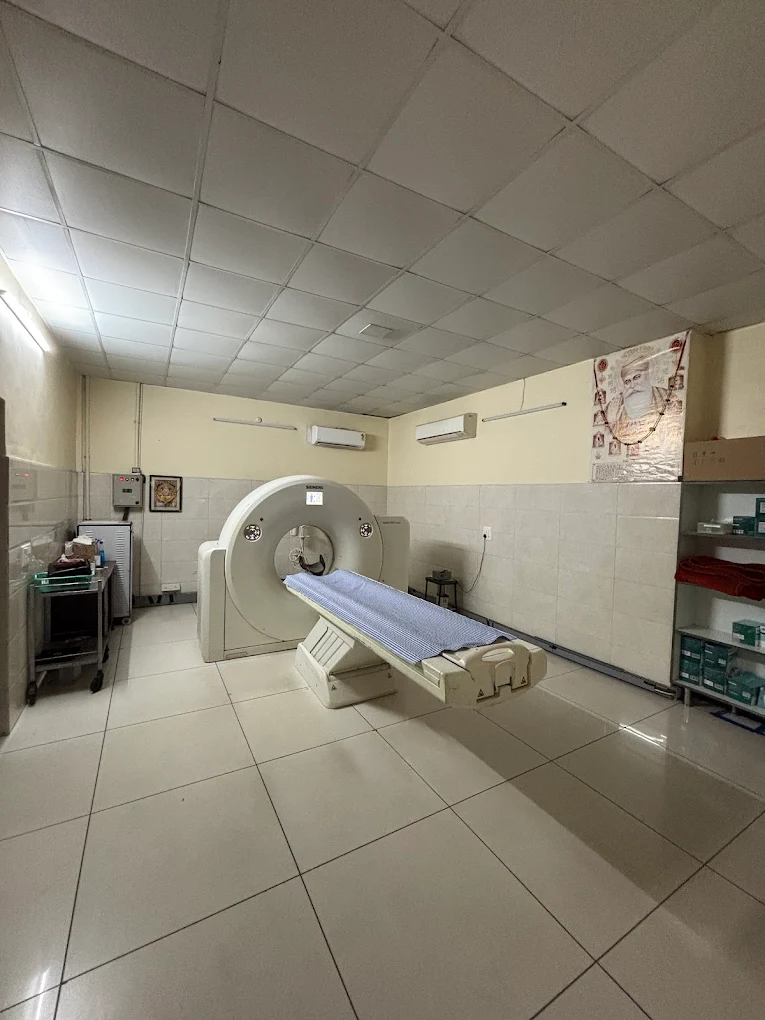
Fast acquisition. Low-dose protocols. Same-day reporting.
X-ray, refined to slices of millimetres.
A CT (Computed Tomography) scanner takes hundreds of X-ray images from different angles and reconstructs them into thin, cross-sectional "slices" of the body. The result is exceptionally fast, high-resolution imaging — especially useful for the chest, abdomen, urinary system and emergency situations.
Where MRI excels at soft tissues without radiation, CT excels at speed, bone detail, lung structure, and quick triage. The two are complementary, and your doctor will recommend whichever best answers the clinical question.
At Pioneer Imaging, every CT uses dose-optimised protocols and is interpreted on the same day for nearly all studies.
Book a CT scanAvailable CT scans
-
HRCT Chest
Lung infections, fibrosis, COPD, post-COVID assessment, chronic cough. -
NCCT Chest
Plain chest CT for screening, mass evaluation or trauma assessment. -
NCCT Abdomen
Kidney stones, abdominal pain, trauma, suspected obstruction. -
CECT Chest
Detailed chest imaging with intravenous contrast — vascular and tumour evaluation. -
CECT Abdomen
Liver, pancreas, kidney, bowel evaluation with IV contrast. -
CECT Chest & Abdomen
Full internal scan covering thorax and abdomen. -
CT KUB
Dedicated low-dose study for the urinary tract — ideal for stone disease. -
NCCT Brain
Suspected stroke, head trauma, headache evaluation.
Cross-sectional precision, in seconds.
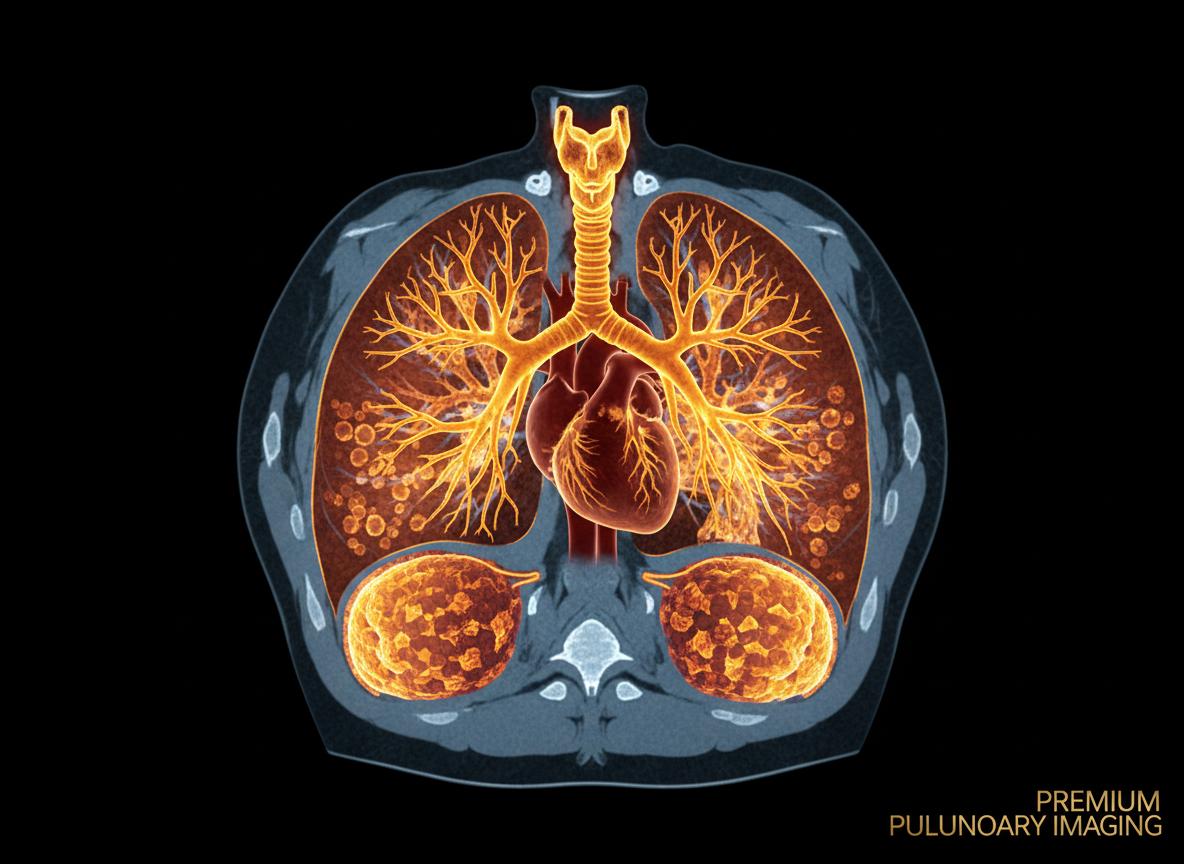
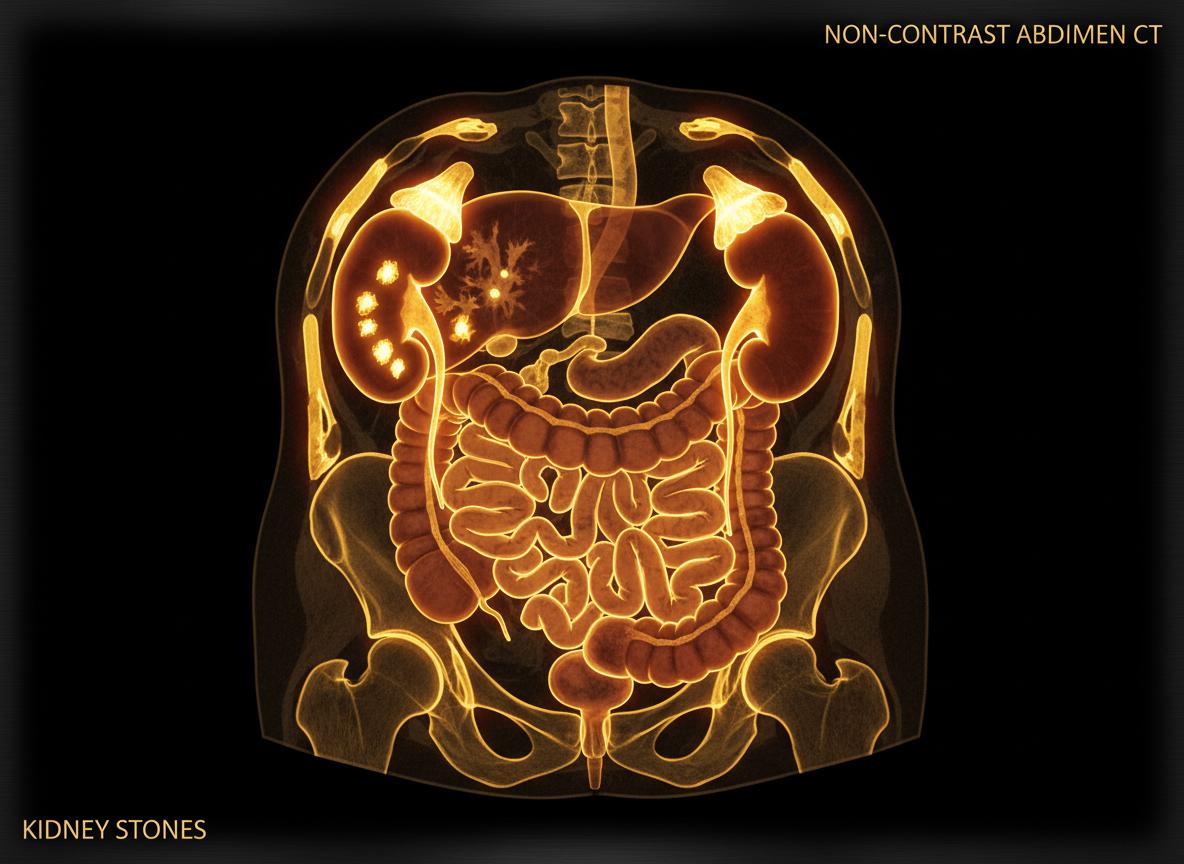
Real CT images acquired at Pioneer — diagnostic-grade slices for the chest, abdomen, kidneys and beyond, with low-dose protocols and same-day reporting.
Common situations where your doctor will recommend a CT.
Persistent cough or breathlessness.
HRCT chest is the gold standard for evaluating lung tissue — fibrosis, infections, post-COVID changes and more.
Sudden severe abdominal pain.
NCCT abdomen quickly identifies stones, obstruction, infection or trauma — often in under 10 minutes.
Suspected stroke or head injury.
NCCT brain is the first-line emergency scan to rule out bleeding and guide rapid treatment decisions.
Cancer staging & follow-up.
CECT studies map disease extent and response to treatment — critical for oncology workflows.
Bone & trauma evaluation.
CT shows fractures, dislocations and bone detail with exceptional clarity — far beyond what plain X-ray reveals.
Pre-surgical planning.
Surgeons often request CT to plan their approach precisely — anatomy, vasculature and adjacent structures, all in one study.
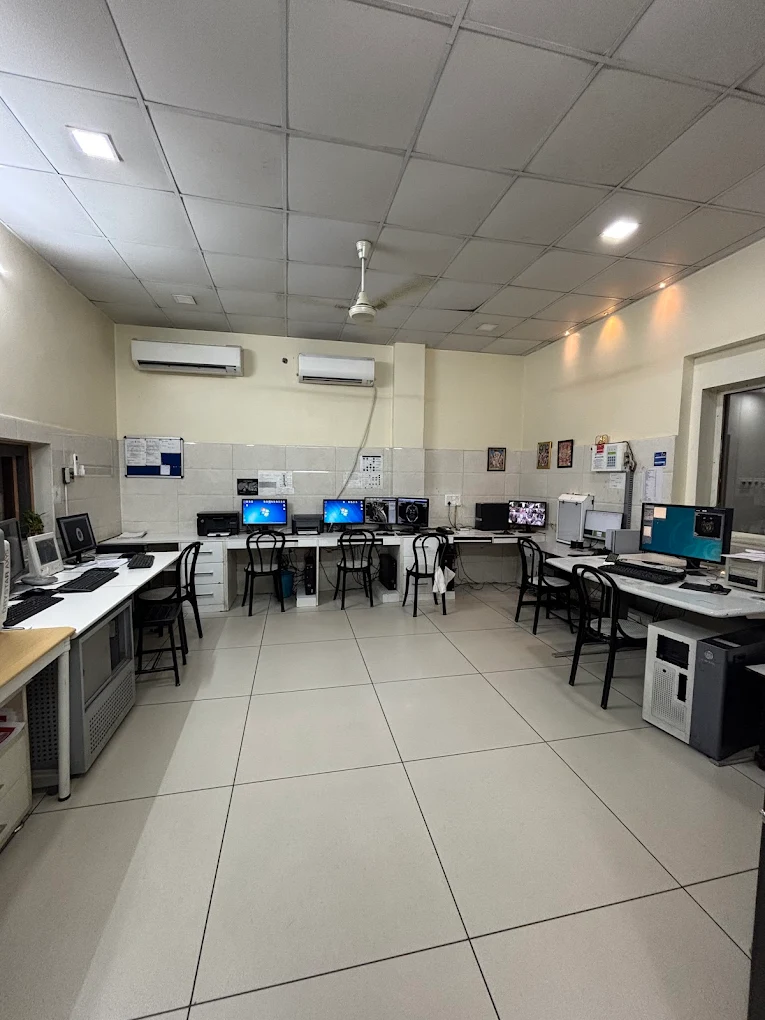
Quick. Calm. Carefully read.
- Check-in & safety screening. We confirm symptoms, allergies (especially to contrast), kidney function and prior reports.
- Change & settle. A private changing room and a comfortable gown if needed.
- Contrast (if required). A small IV line for studies that need contrast — administered carefully, with safety monitoring.
- The scan. Most CT scans take just 1–10 minutes on the table. You'll hear soft mechanical sounds; the scanner does not enclose you.
- Reporting. Dr. Shekhawat reviews the study and a detailed report is typically ready the same day.
How to prepare for your CT scan.
Hydrate well
Drink water before contrast studies — it helps protect your kidneys and improves image quality.
Fasting (sometimes)
For most CECT abdomen scans we'll ask you to fast for 4–6 hours. Plain HRCT chest needs no fasting.
Bring previous reports
Old scans, blood tests or referral letters help our radiologist give you a precise, contextual report.
Tell us about allergies
If you've ever reacted to contrast dye, or have asthma or kidney disease, please let us know in advance.
Comfortable clothing
Avoid metal zippers, belts, jewellery and watches in the area being scanned. Lockers are provided.
Pregnancy precaution
If there's any chance you may be pregnant, tell us first — we'll discuss alternative imaging where appropriate.
CT scans, answered honestly.
Modern CT scanners use dose-optimised protocols, and the diagnostic benefit virtually always outweighs the small radiation exposure. We use the lowest dose that still gives a clear image.
The scan itself usually takes 1–10 minutes. Including check-in, preparation and (if needed) contrast administration, plan for about 30–45 minutes total.
NCCT is a plain CT scan without contrast — fast and useful for stones, trauma and bones. CECT uses an intravenous contrast dye to highlight blood vessels, organs and abnormal tissues for finer detail.
Most patients feel a brief warm flush and sometimes a metallic taste — both are normal and pass within a minute. We screen carefully for allergies and kidney function before administering contrast.
For nearly all CT studies, a detailed report is ready the same day. Emergencies can be reported immediately on request.
Yes. CT does not involve sedation, so you can drive yourself home and resume normal activities immediately.