
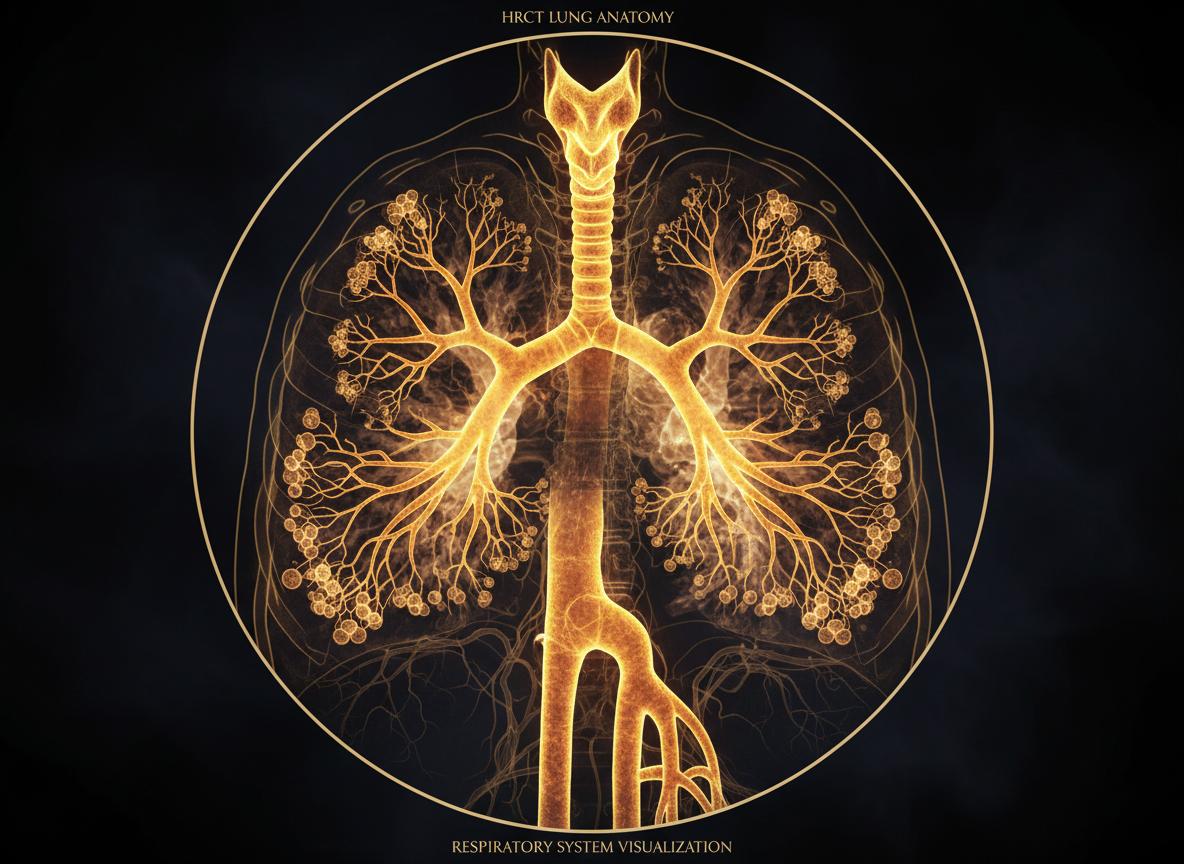
HRCT uses very thin slices and a special reconstruction algorithm to make even subtle changes in the lung tissue clearly visible. It is the workhorse investigation when a chest X-ray is not detailed enough to answer the clinical question.
When HRCT is recommended
- Persistent cough that is not improving despite treatment.
- Unexplained shortness of breath.
- Suspected lung infections — including tuberculosis and atypical pneumonia.
- Interstitial lung disease and pulmonary fibrosis.
- Follow-up after COVID-19 pneumonia, especially when symptoms linger.
- Evaluation of a finding seen on a chest X-ray that needs more detail.
How to prepare
HRCT requires no special preparation, no fasting and no injection in most cases. You can eat and drink normally beforehand. The scan itself takes about five minutes — most of that is positioning. The actual breath-hold scan lasts only a few seconds.
Please bring along previous chest X-rays, earlier CT scans and recent reports if available — they help our radiologist provide context-rich, comparative findings that your treating doctor can act on quickly.
Radiation safety
HRCT does involve a small dose of X-ray radiation, but at Pioneer we use modern dose-optimised protocols, including ultra-low-dose protocols for follow-ups in younger patients.
Disclaimer: This article is general information and not medical advice. Please consult your doctor for guidance specific to your condition.